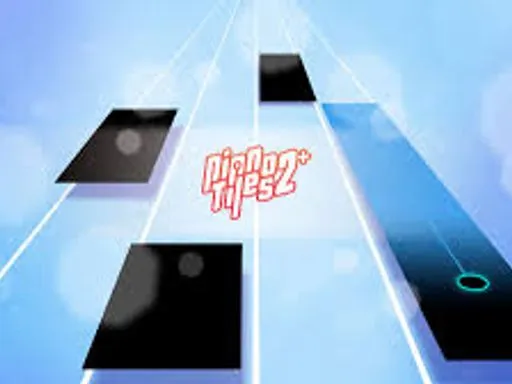
If you want to learn piano tiles fast, you do not need fancy gear, music school, or a long setup. You need clear rules, steady practice, and a calm mind. This guide shows you exactly how to play piano tiles here on my site, magictiles.org, using simple steps that work for new players.
The core idea of piano tiles is easy to understand but hard to master. You tap black tiles, avoid white tiles, and stay on rhythm while speed keeps rising. Many people lose early because they rush, not because they are slow. In piano tiles, clean timing beats wild tapping.
I checked current listings before writing this page. The App Store page for "Don't Tap The White Tile" and the Google Play page for "Piano Tiles 2" both describe the same core loop: tap black tiles, avoid white tiles, and react to speed changes.
If you are ready, this is your complete roadmap.
What Is Piano Tiles and Why Is It So Addictive?
Piano tiles is a rhythm-reaction game. Tiles move down your screen. You hit the right tile at the right time, and the song continues. Miss once and your run often ends.
Why does piano tiles feel so addictive?
- The rule set is simple.
- The feedback is instant.
- Every run can become a new record.
- You can improve in short sessions.
That mix makes piano tiles easy to start and hard to put down. A 3-minute session can turn into 30 minutes because each mistake feels fixable.
How to Play Piano Tiles Here on MagicTiles.org
If you want browser play, open magictiles.org and choose a piano tiles game from the home page. You can start in seconds.
Step 1: Start with an easy mode
For your first piano tiles session, choose a slower speed or beginner track. The goal is not a high score yet. The goal is clean hits and full-song completion.
Step 2: Turn on sound
You can play piano tiles with sound off, but you will learn slower. Sound helps your brain connect movement with rhythm. That link is the foundation of good piano tiles timing.
Step 3: Set your hand position
Keep your hand relaxed and close to the screen or keyboard. In piano tiles, long finger travel creates delay. Small, controlled taps are faster and safer.
Step 4: Focus near the hit line
Do not stare at the top of the screen. In piano tiles, the decision point is near the bottom hit area. Watch there, and use side vision for incoming notes.
Step 5: Finish runs before chasing records
A lot of new players reset after one small error. Better plan: finish full piano tiles runs. Completion builds pattern memory, and pattern memory builds score.
Piano Tiles Controls on Phone and Desktop
You can enjoy piano tiles on both mobile and desktop. The rules are the same. Only input style changes.
Mobile controls
- Tap with one or two fingers.
- Hold long notes when needed.
- Keep taps light to reduce slips.
Desktop controls
- Use mouse clicks or keyboard keys if supported.
- Keep fingers over your lane keys.
- Avoid lifting your hand too high between notes.
No matter device, the game rewards stable movement and steady rhythm.
Core Rules You Must Master in Piano Tiles
Most piano tiles versions follow these rules:
- Tap black tiles when they reach the hit zone.
- Do not tap white tiles.
- Do not miss black tiles.
- Hold long tiles until the note ends.
- Keep combo alive for better scores.
That is the complete base game. Every advanced piano tiles tip is built on these five points.
Best Finger Setup for Piano Tiles
Finger setup matters more than people think. A good piano tiles setup lowers panic and keeps your taps consistent.
One finger vs two fingers
One finger can work on slow charts. But for most piano tiles players, two fingers are better once speed rises.
Try this split:
- Left finger handles left lanes.
- Right finger handles right lanes.
This simple split helps your runs feel smoother.
Keep your wrist neutral
A bent wrist gets tired fast. In piano tiles, fatigue causes late hits and random misses. Keep wrist neutral and shoulders loose.
Use short sessions
Play piano tiles in 10-15 minute blocks. Short sessions keep focus high and reduce bad habits.
Timing and Rhythm: The Real Piano Tiles Skill
People ask if piano tiles is about speed. Speed matters, but timing matters more.
In piano tiles, good timing means:
- You tap exactly at the hit zone.
- Your taps match the beat.
- You keep control in fast sections.
Bad timing in piano tiles looks like this:
- Tapping early because of panic.
- Spamming when pattern gets dense.
- Looking too high and reacting late.
If you train timing first, piano tiles starts to feel slower, even when the chart is fast.
Reading Patterns in Piano Tiles
Strong players do not read one tile at a time. In piano tiles, they read mini-patterns.
Common piano tiles patterns include:
- Left-right-left-right streams
- Quick doubles
- Hold plus tap combinations
- Short bursts followed by a gap
When you recognize patterns, piano tiles becomes less stressful because your brain predicts what comes next.
Practice Drills That Improve Piano Tiles Fast
Use these drills for one week and your piano tiles consistency should improve.
Drill 1: Accuracy warm-up (2 minutes)
Play a slow piano tiles chart. Ignore score. Focus on perfect hit timing.
Drill 2: Combo training (4 minutes)
Choose a medium piano tiles chart. Your only target is combo length, not speed.
Drill 3: Hold-and-tap control (3 minutes)
Pick a piano tiles song with long notes. Hold with one finger while tapping with the other.
Drill 4: Pressure close (1 minute)
End with one hard piano tiles attempt. This teaches calm play under stress.
Ten minutes daily is enough for real progress.
Common Piano Tiles Mistakes and How to Fix Them
Mistake 1: Watching the top of the screen
Fix: In piano tiles, keep your eyes near the hit area.
Mistake 2: Tapping too hard
Fix: Soft taps are more precise in piano tiles.
Mistake 3: Chasing speed too early
Fix: Build accuracy first. Speed comes naturally in piano tiles.
Mistake 4: Restarting every bad run
Fix: Finish more runs. Full attempts teach more piano tiles patterns.
Mistake 5: Playing while tired
Fix: Stop when focus drops. Tired piano tiles sessions create bad timing habits.
How Scoring Works in Piano Tiles
Scoring in piano tiles usually depends on three parts:
- Accuracy
- Combo length
- Survival in fast sections
To lift your piano tiles score quickly:
- Protect combo before chasing risky taps.
- Stay relaxed in easy parts.
- Recover calmly after a near miss.
In piano tiles, one panic moment can break a great run. Calm recovery keeps your score alive.
Advanced Piano Tiles Tips for Intermediate Players
Once you can clear songs, push your piano tiles level with these ideas.
Use rhythm words in your head
Say short cues like "left-right-hold" while playing piano tiles. This keeps your timing stable.
Train "late section focus"
Many piano tiles failures happen near the end because players tense up. Stay loose when your score gets high.
Build mode variety
Play more than one piano tiles mode each day. Variety improves adaptation and pattern reading.
Keep your setup consistent
Use the same seat height, hand position, and screen angle. Consistency makes piano tiles muscle memory stronger.
7-Day Piano Tiles Improvement Plan
If you want structure, follow this short piano tiles plan.
Day 1-2
- 2 minutes warm-up
- 6 minutes medium chart repeats
- 2 minutes hard chart attempts
Day 3-4
- Add one pattern-focused piano tiles drill
- Review where most misses happen
Day 5-6
- Increase hard chart time to 4 minutes
- Keep calm breathing during fast parts
Day 7
- Test one full piano tiles session
- Compare with Day 1
- Save your best score and notes
This plan works because it trains core fundamentals every day without burnout.
FAQ: How to Play Piano Tiles Better
Is piano tiles hard for beginners?
Piano tiles is beginner-friendly at first, then harder as speed rises. Start slow and focus on timing.
Should I use one finger or two in piano tiles?
For most piano tiles players, two fingers are better once songs get faster.
How long does it take to improve at piano tiles?
With 10 minutes daily, many players see piano tiles improvement in 5-7 days.
Why do I keep missing easy notes in piano tiles?
Usually because of early taps, poor eye focus, or tension. Fix these and piano tiles feels easier.
Can I play piano tiles online without download?
Yes. You can play piano tiles directly in your browser on magictiles.org.
Final Thoughts
If you remember one thing, remember this: piano tiles is a rhythm game first and a speed game second. When your timing is stable, your speed grows on its own.
Use this guide, practice daily, and keep your sessions short and focused. If you want to start right now, visit magictiles.org, open a piano tiles game, and play your first clean run today.
Your next record is not luck. It is repeatable skill.